Why Color Bleeding Happens in Rugs
Why Color Bleeding Happens in Rugs (And How Professionals Prevent It)
Rugs are more than just floor coverings—they are often handcrafted pieces of art made with carefully selected fibers, intricate patterns, and unique dyeing techniques. However, one of the biggest concerns when cleaning valuable rugs is color bleeding.
Many homeowners search for solutions when they notice color bleeding rugs, faded patterns, or concerns about rug dye bleeding after cleaning. This issue is especially important for Oriental rugs, Persian-style rugs, handmade rugs, and antique carpets where preserving the original colors is essential.
Understanding why color bleeding happens and how professionals prevent it can help you protect your investment and avoid permanent damage.
At Oriental Rug Hand Cleaning Master & Repair, we specialize in preventing oriental rug color bleeding through expert hand-cleaning techniques, careful dye testing, controlled washing methods, and years of experience working with delicate rugs.
With over 25 years in the rug cleaning industry, the owner personally evaluates and cleans each rug using methods designed to protect the fibers, dyes, and craftsmanship.
What Is Rug Color Bleeding?
Rug color bleeding occurs when dyes from one area of a rug transfer into another area during the cleaning process.
For example:
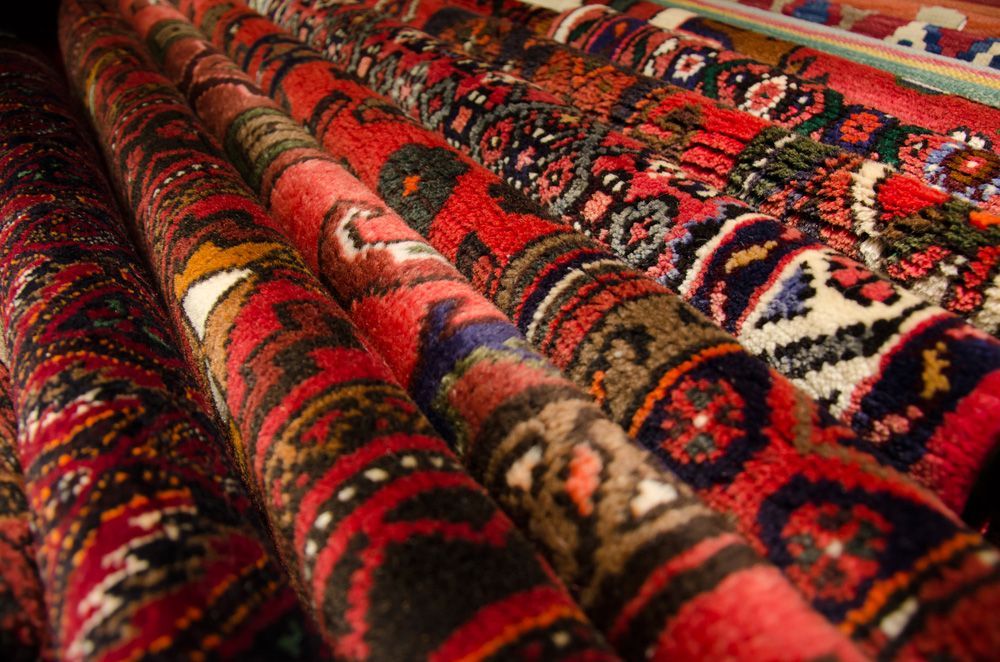
- A deep red border may bleed into a lighter cream section
- Dark blue dyes may spread into surrounding fibers
- Decorative patterns may become blurred
- Colors may appear faded or uneven
This usually happens when loose dye particles are released by moisture, heat, or improper cleaning methods.
Once dye transfer occurs, it can be extremely difficult to reverse. That is why proper testing and professional handling are critical before cleaning valuable rugs.
Why Does Color Bleeding Happen in Rugs?
Several factors influence whether a rug is likely to experience dye bleeding.
These include:
- Type of dye used
- Quality of dye fixation
- Age of the rug
- Previous cleaning methods
- Water temperature
- Cleaning products
- Moisture levels
- Drying techniques
Every rug is different, which is why professional cleaners should never use a one-size-fits-all cleaning method.
Natural Dyes and Color Bleeding
Many traditional Oriental rugs are made using natural dyes created from plants, minerals, insects, and other organic materials.
Examples of natural dye sources include:
- Indigo plants for blue shades
- Madder root for red tones
- Walnut shells for brown colors
- Plant extracts for yellow and green shades
Natural dyes are valued because they create rich, unique colors that often become more beautiful with age.
However, some natural dyes can be sensitive to moisture and cleaning conditions if they were not properly fixed into the fibers.
Older handmade rugs may require extra caution because:
- Dye bonds may weaken over decades
- Previous improper cleaning may affect stability
- Certain colors may react differently to water
This is why experienced rug cleaners carefully evaluate each rug before beginning the cleaning process.
Synthetic Dyes and Rug Dye Bleeding
Synthetic dyes are commonly used in many modern rugs because they provide consistent colors and are often more affordable.
While many synthetic dyes are stable, some rugs can still experience dye bleeding due to:
- Poor-quality dye materials
- Incorrect dye application
- Manufacturing issues
- Improper cleaning methods
A rug should never be assumed to be colorfast simply because it uses synthetic dyes.
Professional testing is still necessary before washing.
How Water Temperature Affects Color Bleeding
Water temperature plays a major role in preventing rug dye bleeding.
Hot water can increase the likelihood of dyes releasing from rug fibers, especially in rugs with unstable colors.
High temperatures may:
- Loosen dye bonds
- Encourage color transfer
- Damage delicate fibers
- Affect the structure of handmade rugs
Professional rug cleaning requires careful control of water temperature and moisture levels.
At Oriental Rug Hand Cleaning Master & Repair, controlled washing methods are used to minimize risk while still providing a deep, effective clean.
Why Dye Testing Is an Important First Step
Before cleaning any valuable rug, professional cleaners should perform a dye stability test.
This process helps determine:
- Whether colors are stable
- Which cleaning method is safest
- Whether special treatment is required
- How much moisture the rug can safely handle
- Testing is especially important for:
- Oriental rugs
- Antique rugs
- Handmade rugs
- Wool rugs
- Rugs with dark or vibrant colors
A simple cleaning mistake can permanently alter a rug’s appearance, which is why experience matters.
Why Professional Experience Matters Beyond Dye Testing
While dye testing is an important step, preventing oriental rug color bleeding requires more than simply checking the dyes.
Experienced rug cleaners understand how different materials react during cleaning.
Factors professionals consider include:
- Rug construction
- Fiber type
- Age of the rug
- Previous repairs
- Dye characteristics
- Amount of moisture needed
- Drying requirements
Proper judgment during the cleaning process helps prevent problems before they happen.
Controlled Washing Helps Prevent Color Bleeding
One of the biggest advantages of professional hand cleaning is the ability to control every part of the process.
Aggressive machine cleaning can create unnecessary risks, including:
- Excess water pressure
- Rapid soaking
- Heat exposure
- Uneven cleaning
- Forced drying
For delicate rugs, controlled hand washing provides a safer alternative.
The process includes:
Gentle Water Application
Water is carefully controlled to avoid oversaturation and reduce the chance of dye movement.
Hand Brushing Techniques
Specialized hand brushing allows cleaners to remove dirt without aggressively disturbing the fibers.
Careful Rinsing
Controlled rinsing helps remove cleaning residue while protecting the rug’s colors.
Proper Drying
Rugs are dried carefully using natural air and sunlight rather than harsh machine drying.
Improper drying can leave rugs with:
- Musty smells
- Yellow stains
- Rust-colored marks
- Uneven color appearance
Why Machine Cleaning Can Cause Rug Color Problems
Many homeowners assume machine cleaning is always the fastest solution, but valuable rugs often require a more careful approach.
Machine cleaning may create issues such as:
- Excessive water exposure
- High-pressure washing
- Heat damage
- Fiber distortion
- Color transfer
This is especially risky for Oriental rugs and handmade carpets.
A rug that has taken years or decades to create deserves cleaning methods that protect its craftsmanship.
The Professional Hand-Cleaning Process for Color Protection
At Oriental Rug Hand Cleaning Master & Repair, every rug receives a customized cleaning approach.
Step 1: Complete Inspection
The rug is examined to identify:
- Fiber type
- Condition
- Stains
- Existing damage
- Potential dye concerns
Step 2: Vacuuming
Surface dirt and debris are removed before washing begins.
Step 3: Color Testing
Dyes are tested to determine how the rug will respond to moisture.
Step 4: Safe Cleaning Method Selection
Depending on the results, the rug may receive:
- Controlled hand washing
- Specialized dry cleaning methods
Step 5: Gentle Cleaning
Premium rug shampoo and careful hand brushing are used to clean the rug without unnecessary stress.
Step 6: Controlled Drying
The rug is dried naturally to help preserve:
- Fiber strength
- Shape
- Colors
- Overall appearance
How to Protect Your Rug From Color Bleeding at Home
Homeowners can reduce the risk of dye problems by following these tips:
Avoid DIY Washing
Many household cleaning methods use excessive water or heat that can damage rugs.
Blot Spills Quickly
Do not scrub spills aggressively, as this can push liquids deeper into fibers and spread dyes.
Keep Rugs Away From Excess Moisture
Humidity and moisture can weaken dyes over time.
Use Professional Cleaning for Valuable Rugs
Oriental, antique, and handmade rugs should always be evaluated by experienced professionals.
Orlando’s Expert for Preventing Oriental Rug Color Bleeding
When it comes to protecting valuable rugs, experience makes the difference.
Oriental Rug Hand Cleaning Master & Repair specializes in professional rug cleaning, repair, restoration, and color protection throughout Orlando.
The owner personally works on every rug and uses specialized hand-cleaning methods designed to prevent:
- Color bleeding
- Dye transfer
- Fiber damage
- Rust stains
- Yellowing
- Moisture-related issues
With more than 25 years of experience, the focus is always on preserving the beauty, value, and craftsmanship of your rug.
Whether you own an Oriental rug, Chinese rug, handmade rug, or specialty area rug, professional care can help maintain its appearance for years to come.
Call or text today for a free quote and expert rug cleaning service in Orlando.
Services List
- Rug Cleaning Services
- Rug Repair Services
- Hand Rug Cleaning
- Rug Restoration
- Oriental & Chinese Rugs
- Competitive Rates
- Free Estimates
- Free Pick-Up & Delivery
- And More